Opening a bar? This primer on the complicated licensing process will help you along in your journey from patron to publican…
While nursing a cocktail at the end of a sluggish workweek, one bored office worker turns to her friend, another bored office worker, and says, “We should open a bar.” “Yes!” the friend replies.
They’ve had this conversation before, but they’re serious this time. However, they soon realize that opening a bar isn’t so simple. In fact, they’ll have to navigate a costly maze of red tape before ever tapping into any kegs.
About The National Gambling Board is responsible for the oversight of the regulation in the gambling industry throughout the country and to preserve the integrity of South Africa as a responsible global citizen. You will need to pay an annual fee to ensure your operating licence remains valid. The amount can be found on the relevant licence page or for those with multiple licences you may want to use our fees calculator. Legal Gambling and the Law. Welcome to the Legal Gambling and the Law website. In the ever changing online gaming environment it is always important for players and anyone involved in the gaming industry to be fully aware of any country specific laws and regulations that may apply to them when they are thinking of gambling online or setting up any type of online gambling related company.
While specific regulations vary by state and municipalities, there are a few steps would-be bar owners must take on their journey to opening. Here are the key licenses and permits you need to open a bar.
Business permit, certificate of occupancy, and EIN
The first absolutely fundamental certificate any prospective bar owner needs is a business permit. Very simply, this permit grants permission to operate a business. The second is a certificate of occupancy, which certifies that the building itself has been properly maintained and can safely host guests. The third is an Employer Identification Number (EIN,) which is necessary for taxation.
Liquor and food service license
While the abovementioned licenses are a necessity for all businesses, there is a fundamental certificate unique to this industry—the liquor license. Procuring one, however, is much easier said than done. The first step is to consider exactly what you plan to serve, since beer and wine bars may require a different license than a fully stocked operation. It’s also critical to know that a food service license won’t necessarily cover the sale of liquor, so if the bar is food-centric, additional legwork will likely be required.
Gambling License Cost In Kenya Shillings
Name registration and protection
Signage isn’t all that’s required to get one’s name out there. In fact, once the bar name is decided, you should register it as an entity name for protection at the state level and as a trademark for protection at the federal level. This way, would-be copycats can’t steal your intellectual property. You may also need to register a DBA (Doing Business As), which allows entrepreneurs to conduct business under a different identity than their own. Lastly, in today’s business climate, a web presence is vital. Register your business’ domain name as well.
Entertainment & music license
Music is a great way to create atmosphere in a bar. But, legally speaking, you can’t just plug your iPod into the PA system and play whatever they want. In fact, bars must acquire licenses from performance rights organizations, or PROs, such as BMI, ASCAP, or SESAC in order to legally play music. While this may not seem important, playing unlicensed music can cost a business six figures in fines. However, it’s not just playing recorded music that requires a license. Additional safety and zoning permits will likely be required for bars that wish to feature live music. It should be noted, too, that “entertainment” is a loose term—in some places, you may even need a pool table license.
Again, the necessary licenses and permits associated with opening a bar vary state-to-state and even town-to-town. So for additional resources, be sure to consult the Small Business Administration. What other licensing hurdles have you run into in your own journey toward opening a bar? Let us know in the comments.
The Kenya government and gambling operators in the country have been at loggerheads for the last few months as the government believes casino operators are not complying with their regulations. One of the biggest factors that has upset the Kenyan government is that it was able to collect only in gaming taxes when casino operators made a combined total of Sh204 billion.
Casino operators in Kenya were supposed to have their licenses renewed by July 1, 2019. However, that hasn’t happened as the Betting Control and Licensing Board (BCLB) decided to send a strong message by cancelling a number of licenses and deferring the renewal of some licenses indefinitely.
The tough stance taken by the BCLB has impacted will impact 19 casino operators who have had their licenses cancelled. The BCLB decided to indefinitely defer the licenses of 8 casino operators which will impact 6 lotteries and 13 casinos.
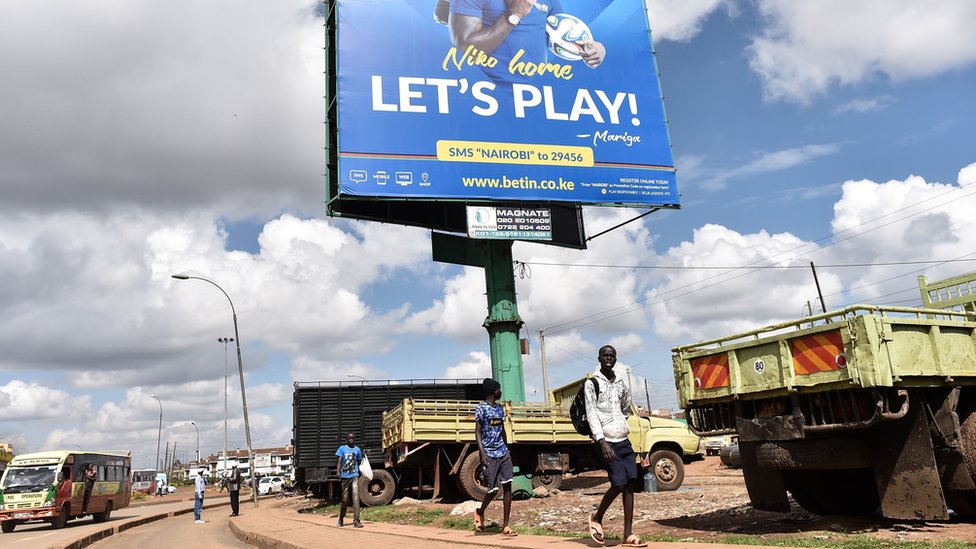
Betin which is one of the biggest casino operators in Kenya was one of those companies that had their license cancelled. The company has decided to take the legal route and see if it can get that decision overturned.
Gambling License Cost In Kenya Today


While the licenses of these casino operators have either been cancelled or deferred indefinitely, it hasn’t stopped them from continuing to offer services in Kenya which technically makes it an illegal operation.
The Kenyan government will continue to impose stringent measures to shake casino operators. The next move is a crackdown on the top management of these betting firms in the country. There are reports that the top bosses of these gambling firms will be asked to leave the country shortly.
Government Cites Problem Gambling
The government has chosen to place the emphasis on the growing concern of problem gambling numbers in the country for its tough stance. A recent GeoPoll survey shows that more than 40 percent of low income Kenyan gamblers do not have a job and another 27 percent are students.
Kenya is the third biggest betting market in Africa and is expected to generate as much as Sh500 billion by the end of 2020. The government stands to lose a lot if it closes its gambling industry as employment opportunities, tax revenue and foreign investment will be lost.
Casino operators in Kenya have so far not responded to the government’s reluctance to renew their licenses.
Carolyn is our legislation expert, with a background in law she is able to cover the current state of gambling around the world
farcsevitacitu.netlify.com – 2021